CFA’s Statewide Vegetation Management Team has been collaborating with Community-Based Bushfire Management facilitators to help keen gardeners have valuable conversations about how to enhance bushfire resilience around their homes, while also providing enjoyable landscapes and habitat for wildlife.
A number of workshops across the state educated homeowners by using CFA’s Landscaping for Bushfire document, online plant selection tool and associated example gardens. The workshops focused on plant selection, garden design, zoning of the property, defendable space, as well as property and garden maintenance.
Two examples are described below and example gardens are being developed by local governments and Landcare groups.
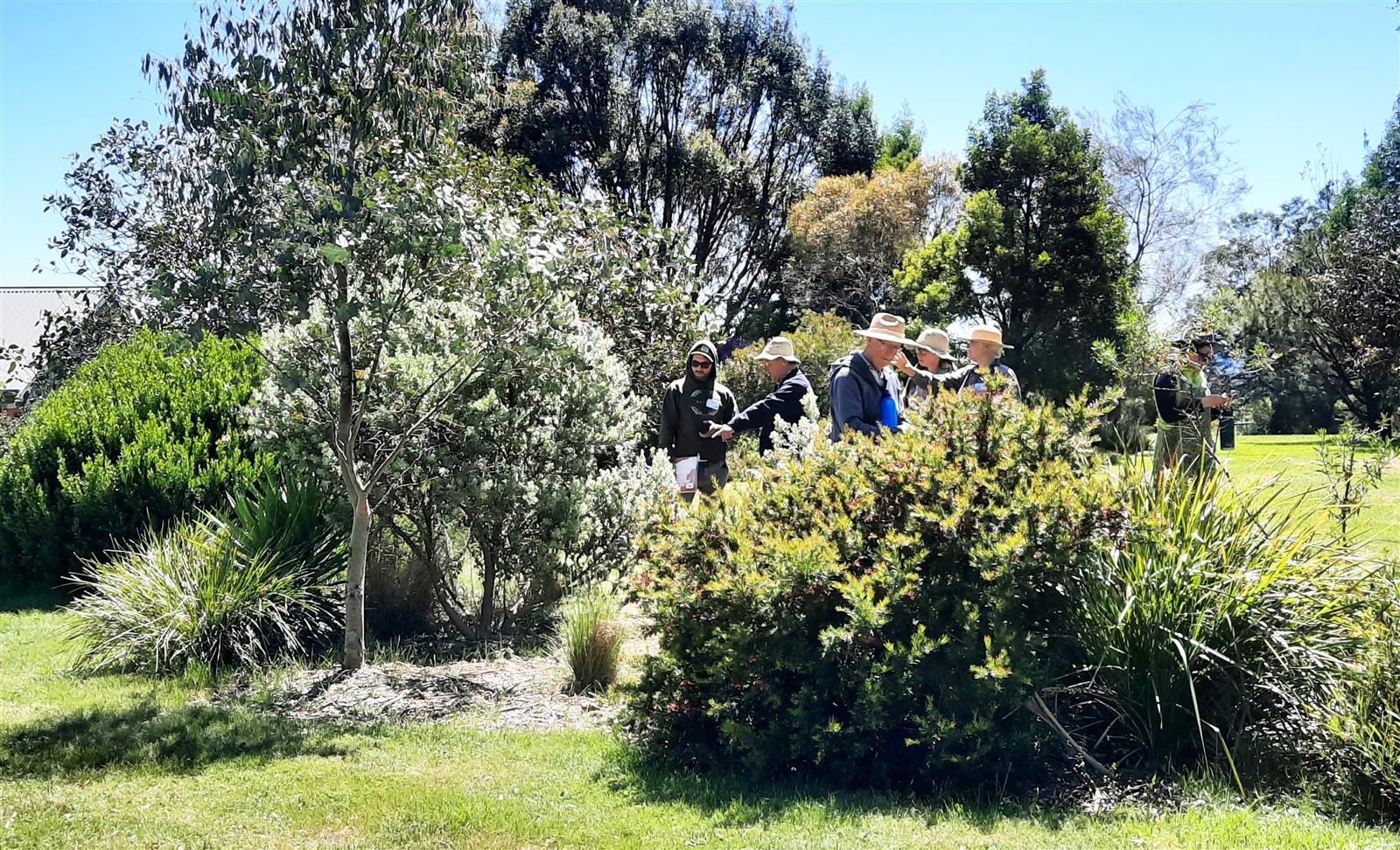
The Landscaping for Bushfire tool was used in the workshops to test a range of plant specimens from local gardens for fire-wise attributes. This means touching, scrunching and smelling foliage, and sharing different opinions about the values these plants provide people. Participants also learned that while some plants may be ranked as more flammable, they can be managed through pruning or placed in safer locations further than 10 metres from the house.
Well-placed vegetation with low flammability may help protect homes by:
- reducing the amount of radiant heat received by a house
- reducing the chance of direct flame contacting the house
- reducing wind speed around a house
- deflecting and filtering embers
- reducing flammable landscaping materials in the defendable space.
Although the workshops focused on garden design, they also included discussion about ecology and biodiversity conservation that acknowledged there can be competing interests around management for fire risk as well as conservation.
Newham Landcare group hosted a two-part Living with Fire and Biodiversity workshop. Part one explained the evidence related to house loss and fire ecology. Discussions and exchange of practical advice continued the next day at a private property at the foot of Mount Macedon. The owners shared how they consciously considered the impacts of fire while providing habitat for wildlife.
A group of people walked through the different zoning of this fire-wise property to learn how subtle modifications can make living with bushfire less scary and aesthetically beautiful.
“Participants said they left feeling less scared of bushfires and confident they could design a garden that looks after wildlife,” event organiser Jess Szigethy-Gyula said.
“Others were keen to share this field day information with neighbours, which indicates how transformative the field day was for many.”
In Balnarring, Red Hill Garden Society hosted an interactive talk where Owen Gooding, a keen gardener and retired CFA vegetation management specialist, brought the Landscaping for Bushfire interactive tool to life. Using his extensive experience of understanding house loss following the 2009 fires, Owen provided examples of houses impacted in past bushfires by poorly-placed plants and flammable garden structures. He compared these with clever and practical solutions to create beautiful gardens in high fire risk areas.
“The Landscaping for Bushfire plant selection key is designed for users to learn more about suitable plants for landscaping, how and where to place things you love in your garden and what to avoid, without having a garden that is barren and devoid of character,” Owen said.
“More than 70 people found the presentation and discussion of plant types keenly interesting, and it showed how we can enhance our gardens,” Virginia Ross from the Red Hill South Landcare Group said.
Lessons learned from these workshops are being collated so that CFA can create an information sheet and supportive material that brigades, local government or Landcare Groups can use to facilitate sessions with their local community.
Brigades that would like to run sessions using the Landscaping for Bushfire resources can get support from the Vegetation Management team, Community-Based Bushfire Management and community engagement teams.
The Plant Selection Key is available on the CFA website.
| Submitted by |
News and Media |