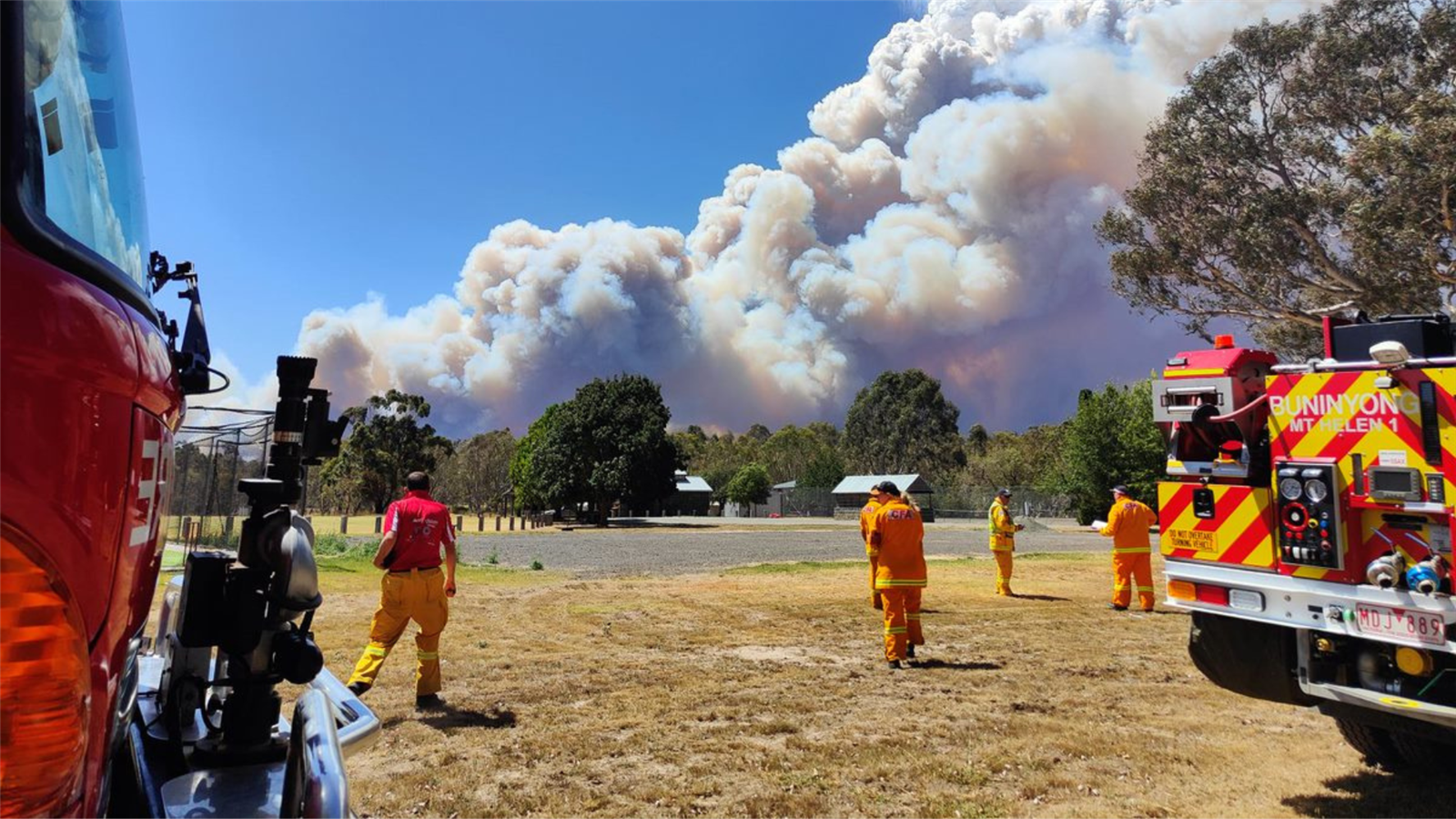
New bushfire research has identified important learnings for future bushfire preparedness and management.
Bushfire scientists from CFA and Forest Fire Management Victoria (FFMVic), through the Safer Together program, have reconstructed five bushfires from the 2023-24 fire season, including the bushfires at:
- Bayindeen - Rocky Road
- Mt Stapylton
- Bellfield
- Staffordshire Reef
- Dereel.
The reconstructions strengthen CFA and FFMVic’s science and learnings across fire behaviour, modelling, suppression and overall management effectiveness to improve how we prepare for and manage major fires.
Researchers examined fires that burned more than 28,000 hectares and interacted with areas that had undergone planned burning in the past five years.
FFMVic Chief Fire Officer Chris Hardman AFSM said reconstruction reports are essential for understanding fire behaviour in real conditions and improving how agencies manage bushfire risk and are part of an annual program of research that fire agencies collaborate on.
"These reports help us learn directly from major fires and understand what worked, what was challenged and where we can improve," Chris said.
Researchers looked at how fuel treatments, the landscape, weather and firefighting efforts affected how the fires spread and how severe they became. This included on-the-ground observations, aerial infrared imagery, fuel moisture data and new 3D mapping technology.
Overall, research from the Bayindeen - Rocky Road fire found fuel management can make a real difference during major fires by slowing or moderating fire behaviour in some parts of the landscape and creating safer conditions for firefighters.
"The research shows fuel-reduced areas can support decision-making during a fire by giving crews more options on the ground," Chris said.
When fire moved into areas treated by planned burning, researchers found lower fire severity, suggesting fire behaviour was less intense. Experienced crews on the ground reported those treated areas made it safer and easier for firefighters to work closer to the fire edge, slow or stop the fire, and establish containment lines.
The research also observed lower fire severity in treated areas in parts of the fire footprint. This included reduced canopy scorch and char height compared with nearby untreated areas. These patches of lower severity fire can help reduce longer-term ecological damage and support environmental recovery.
The reports highlight variability in the effectiveness of planned burning, influenced by factors such as fire behaviour at the time of interaction, time since treatment, fuel regrowth and weather. This reinforces the need for ongoing research and continual improvement in how fuel management is planned and delivered.
The reports also reviewed how fire danger ratings and bushfire simulators performed. Those insights will help refine modelling, risk assessment and operational planning.
"By combining field data with operational experience, we’re strengthening the evidence that underpins both fuel management and fire response," Chris said.
CFA Deputy Chief Officer Alen Slijepcevic AFSM said reconstruction reports ensure lessons from major bushfire events are recorded and shared across the sector so that we continually improve mitigation, planning and operations.
"By combining field data with operational experience, we’re strengthening the evidence that underpins both fuel management and fire response," Mr Slijepcevic said.
"Each reconstruction helps build a clearer picture of how fire behaves under extreme conditions. This work is crucial to improving preparedness, supporting firefighters during incidents and making Victoria more resilient ahead of future fire seasons."
To view the full reports, visit Fire research and adaptive management publications.